How to Identify When It’s Time to Retire Your Old Ladder and Upgrade for Safety
We often store equipment in the garage for decades without a second thought. These items sit patiently, waiting for the next home improvement task or gutter cleaning session. While a wrench or a saw might function perfectly after thirty years, gear designed to support your body weight has a very real expiration date.
Ignoring the condition of your climbing equipment invites unnecessary risk into your home. Knowing exactly when to retire that trusty old unit and swap it for a newer model remains essential for protecting yourself and your family.
Recognize Wear and Tear
Visible damage serves as the primary indicator that your equipment requires immediate retirement. Inspect the feet specifically. If the rubber treads look worn smooth or are missing entirely, the unit will slip on smooth surfaces like tile or concrete.
Upgrading to a modern platform ladder from Sydney Tools ensures you have fresh, grippy feet and structurally sound materials that meet current regulations. Rot on wooden variants acts as another red flag.
Wood exposure to moisture weakens the fibers and compromises the load-bearing capacity. Even small cracks in fiberglass rails can propagate quickly under stress. Never attempt to repair major structural flaws with tape.
Evaluate Structural Integrity
Give the setup a firm shake before you climb. Excessive wobbling or a feeling of looseness when you step on the first rung suggests the joints have failed. Loose rivets or bolts present a significant danger and typically cannot be tightened back to factory specifications safely.
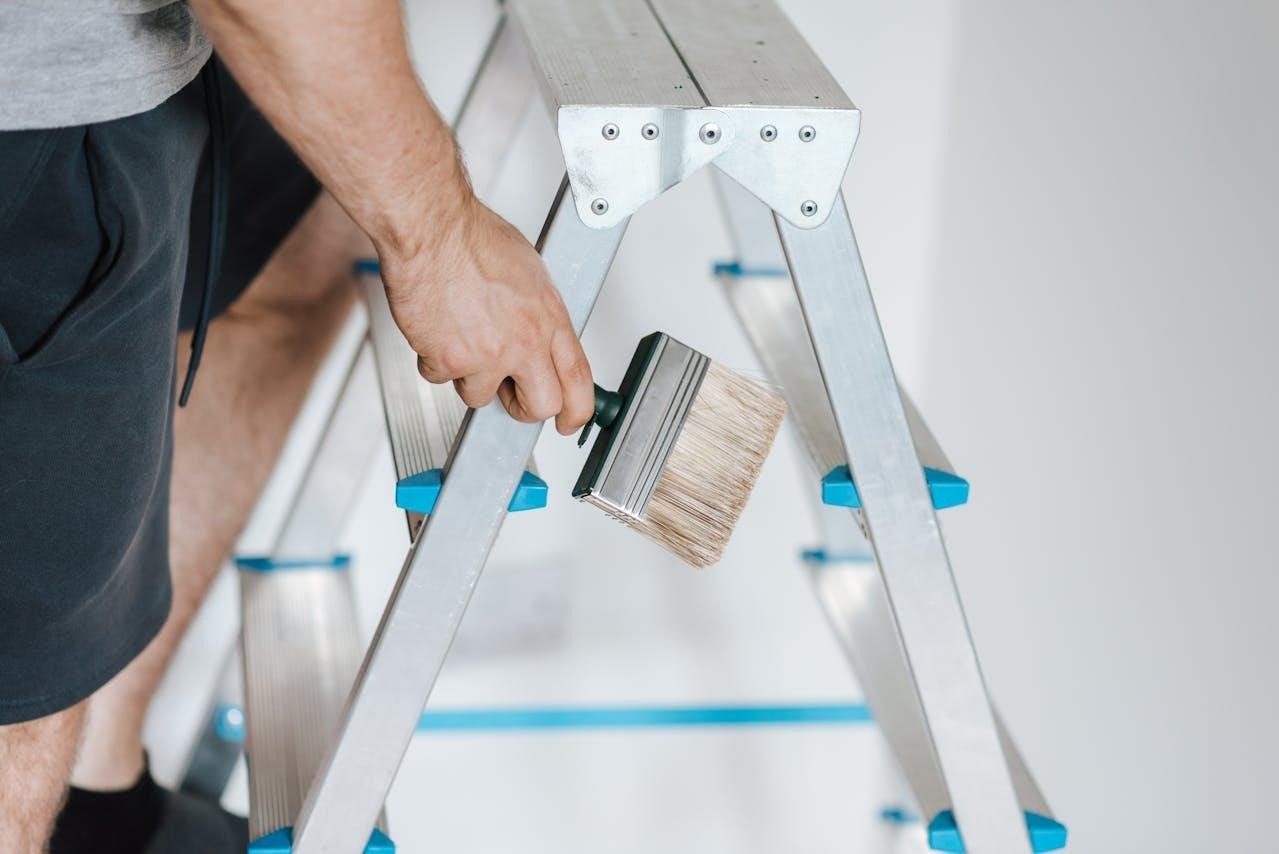
Check the spreaders on step designs carefully. These bars must lock firmly into place to keep the legs from splaying outward. If the spreaders are bent or the locking mechanism feels mushy, the entire frame could collapse under load. A sturdy frame feels rigid and secure from the moment you set it up.
Assess Usage Frequency
Consider the history of the item and how often it sees action. Metal suffers from fatigue over time with repeated stress cycles. A unit used daily for construction work ages much faster than one used annually to hang holiday decorations.
Even without visible cracks, microscopic stress fractures accumulate in aluminum over years of heavy use. If you have owned the same climbing aid for twenty years and use it constantly, the metal may be near its fatigue limit. Retiring it before a catastrophic failure occurs is simply smart prevention.
Review Safety Standards
Regulations regarding climbing equipment evolve as engineers learn more about stability and fall prevention. A model built thirty years ago likely does not meet today’s rigorous testing requirements. Newer designs often feature wider steps, superior locking mechanisms, and non-conductive materials for electrical work.
Check the compliance sticker on the side rail. If the sticker is illegible or missing, you have no way of knowing the weight rating or safety certification. Treat a missing label as a clear sign to invest in a compliant replacement.
Considering Technological Advancements
Innovation has improved climbing gear significantly in recent years. Modern options weigh less while supporting more weight. Manufacturers now utilize lighter, stronger composites that reduce back strain when moving the unit around the house.
Adjustable legs for uneven terrain represent another feature rarely found on vintage models. Sticking with an outdated design means missing out on stability enhancements that prevent tip-overs.
Disclaimer
This article is intended for general informational and educational purposes only. It does not constitute professional safety, engineering, or occupational health advice. Always follow the manufacturer’s instructions, safety labels, and applicable local regulations when inspecting, using, or replacing climbing equipment. If you are unsure about the condition or safety of your ladder, consult a qualified professional or replace the equipment before use. The author and publisher assume no responsibility for injuries, damages, or losses resulting from the use or misuse of the information provided in this article.