
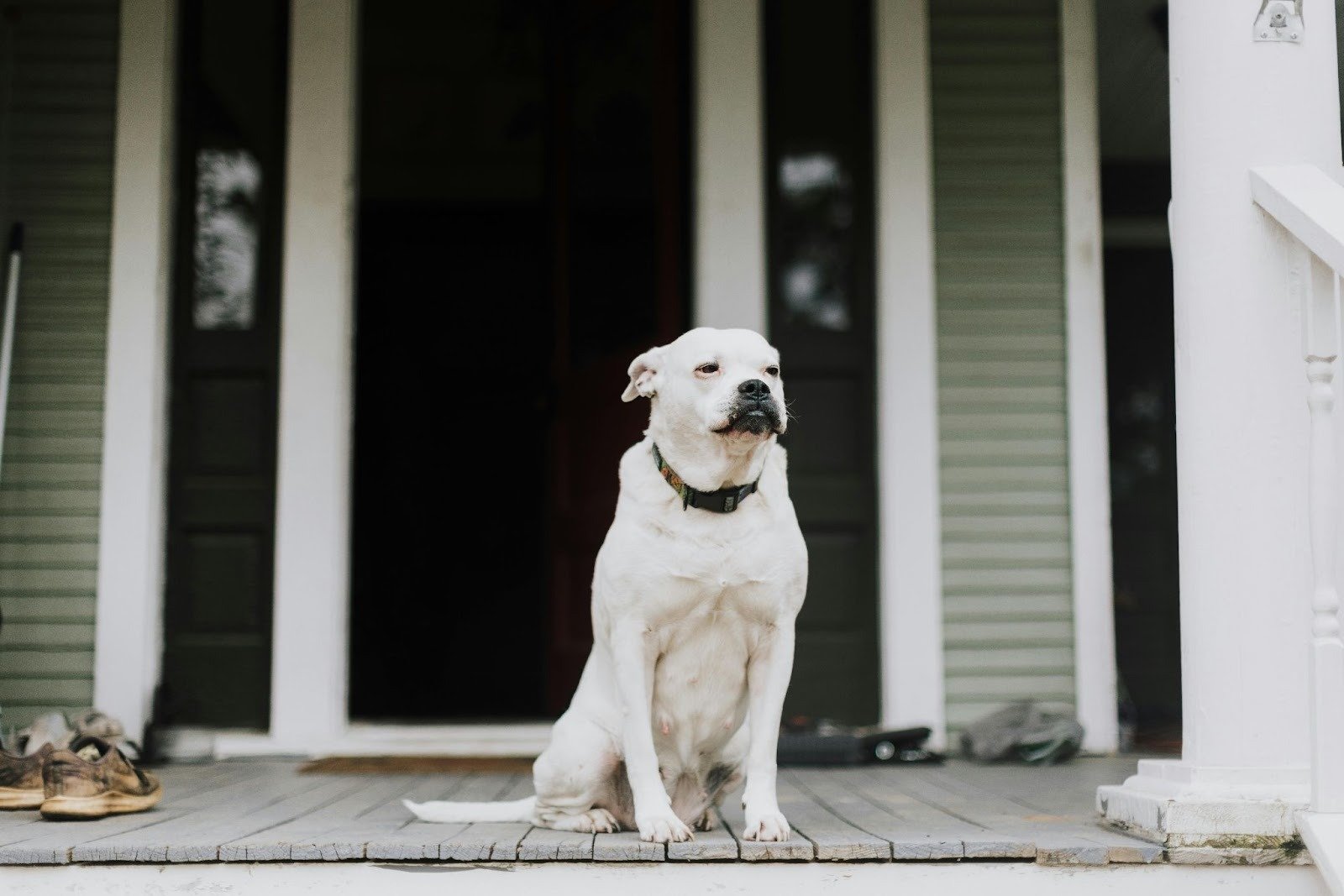
Pet-Friendly Rentals: A Landlord Risk Checklist That Protects Yield
Vacancy rates across most of Australia’s capital cities and regional centres are tight. If landlords and property managers maintain a blanket ban on pets, however, they are likely to miss out on a rapidly growing demographic of prospective tenants. Research from the RSPCA and various tenancy advocacy groups shows that over half of Australian households own a pet.
Recent legislative reforms in Queensland, Victoria and other states make it increasingly difficult for landlords and property managers to enforce a blanket ban on pets. Allowing tenants to keep pets in the rental property, however, has a number of long-term benefits for landlords and property managers. The real question is not whether landlords should allow tenants to keep pets, but how they can do so in a way that poses minimal risk to the landlord’s property yield.
The following comprehensive checklist covers everything landlords and property managers should consider when structuring an arrangement that includes allowing tenants to keep pets in the rental property.
1. Pet Bonds and Security Deposits: Know Your State’s Rules
Different states will have different legislation regarding this. Below are some examples, but make sure you check with your property manager for your exact location:
- Western Australia allows a separate pet bond, which can be up to $260 or the equivalent of a week’s rent for higher-value properties.
- Queensland allows for a separate pet bond to be requested, but this is equivalent to two weeks’ rent or the actual cost of fumigation and steam cleaning, whichever is less.
- Victoria had significant changes to legislation from 2021. The previous landlord’s right to refuse pets has changed significantly. There is no separate pet bond allowed for pet owners in Victoria.
- New South Wales again does not allow for a separate pet bond to be requested.
- In South Australia and Tasmania, there are different rules again, and additional deposits can be requested here.
Checklist action: Confirm with your state’s tenancy authority what bonds and conditions are permissible, then ensure your property manager documents the pet bond separately and lodges it correctly.
2. Pre-Tenancy Pet Assessment
If some pets are clearly more acceptable than others, it makes sense to consider putting together a structured process for approving the pets of prospective tenants. This could include:
Pet assessment checklist:
- Require a written pet application detailing species, breed, age, weight, and number of animals.
- Ask for evidence of council registration and vaccination records where applicable.
- For dogs, request a completed obedience training record or reference from a prior landlord or neighbour.
- Conduct a brief pre-approval inspection focused specifically on how the property’s surfaces, fixtures, and yard layout interact with the proposed pet (e.g. pool fencing, garden beds, proximity to neighbours).
- If you’re approving a high-risk animal — a large breed dog or multiple pets — consider requiring the tenant to provide public liability insurance that covers pet damage to third parties.
Documenting the approval decision and the conditions attached to it creates a paper trail that is invaluable if a dispute arises later.
3. The Entry Condition Report: Your Most Important Document
When tenants move in with pets, damage that is present and unreported will be difficult for the agent to claim against the tenant’s bond at the end of the lease period.
Condition report checklist for pet tenancies:
- Photograph and note every area of flooring — carpet pile, grout lines between tiles, skirting boards, timber finishes, and underneath rugs.
- Document the state of all door frames, architraves, and weather strips, as these are common scratching points.
- Note the condition of all fly screens and screen doors.
- Record the yard: lawn coverage, garden borders, fencing integrity, and gate latches.
- Photograph external walls and decking at base level.
- Include close-up shots alongside wider-angle photos to establish context.
A timestamped digital report stored in cloud backup — with copies held by both landlord and tenant — is the gold standard.
4. Inspection Cadence: More Frequent, More Focused
Most landlords would inspect the property every three to four months, but more frequent inspections would be advisable and usually in accordance with the legislation during the first six months of the pet tenancy.
Recommended inspection schedule for pet tenancies:
- Month 1–3: Inspect at the earliest permissible opportunity (usually after six weeks in most states). This is your first opportunity to identify any emerging issues before they become entrenched.
- Month 3–6: Conduct a second routine inspection. Check specifically for odour, carpet staining, scratching at doors and skirting boards, and yard condition.
- Ongoing (six-monthly): If no issues arise in the first period, you may be comfortable extending to standard intervals. If issues are noted, maintain the shorter cadence.
- Post-lease: Commission a professional pest inspection (particularly for flea treatment) and a carpet steam-cleaning assessment immediately after the tenant vacates, before the property is re-listed.
Make sure to use the same checklist each time to note pet impacts. This will aid in comparing inspections year on year and help document any claims regarding bonds.
5. Flooring Choices: The Single Biggest Risk Mitigation Decision
One of the main factors that you need to consider when you’re renovating or investing in property with pets in mind is the flooring.
Flooring risk ranking (lowest to highest risk for pet tenancies):
Low risk — strongly recommended:
- Porcelain or ceramic tile: scratch-resistant, waterproof, and easy to clean. Grout sealing is essential.
- Luxury Vinyl Plank (LVP): increasingly popular in Australian investment properties. Waterproof, durable, scratch-resistant, and far cheaper to replace per square metre than timber if damage does occur.
- Polished concrete: highly durable, though temperature and comfort considerations apply.
Medium risk — manageable with conditions:
- Engineered timber: more resistant than solid hardwood but still susceptible to scratching from large dogs. Consider specifying a hard-wearing finish coat as a condition of pet approval.
- Laminate: waterproof varieties have improved significantly, but joint swelling from urine or water penetration remains a risk.
High risk — avoid in pet tenancies where possible:
- Wall-to-wall carpet: absorbs odours and staining. If carpet already exists, specify in the lease that professional steam-cleaning and flea treatment are required at lease end, and photograph the carpet condition meticulously at entry.
- Solid hardwood: valuable and beautiful, but scratches and water damage are difficult and expensive to repair.
If your property currently has carpet and you’re considering upgrading before listing as pet-friendly, the return on switching to LVP or tile in high-traffic areas is typically recouped within one or two tenancies through reduced remediation costs.
6. Lease Clause Wording: Precision Protects Yield
The pet clause in your lease is where landlords most commonly leave money on the table. Vague language creates ambiguity at dispute resolution. Every condition should be specific, measurable, and referenced to a remedy.
Model pet clause provisions (to be adapted with your solicitor or property manager):
Approval and limitation clause: “The Tenant is approved to keep [insert animal: e.g., one desexed female domestic cat, microchip number XXXXXXXX] at the premises. No additional animals are to be kept at the premises without prior written approval from the Landlord. Approval is not transferable to a different animal.”
Damage liability clause: “The Tenant accepts full liability for any damage to the premises or its fixtures caused directly or indirectly by the approved pet, including but not limited to scratching, staining, odour absorption, yard damage, and flea infestation. The cost of remediation shall be assessed against the bond in addition to any other amounts owing.”
Cleaning obligations at vacating: “At the conclusion of the tenancy, the Tenant must arrange professional steam-cleaning of all carpeted areas by a licensed operator and provide the Landlord with a receipt. Where the approved pet is a dog or cat, the Tenant must also arrange professional flea treatment of the entire premises, including outdoor areas, and provide a treatment certificate.”
Garden and yard clause: “The Tenant must maintain the yard in a clean and hygienic condition, including the prompt removal of animal waste. Any damage to lawn, garden beds, or fencing caused by the approved pet must be repaired to the Landlord’s reasonable satisfaction prior to vacating.”
Right to revoke clause: “Where the Landlord has reasonable grounds to believe the approved pet is causing damage to the premises, disturbing neighbours, or breaching any condition of this agreement, the Landlord may issue written notice requiring the Tenant to remove the animal within [14] days, subject to the Landlord’s obligations under applicable tenancy legislation.”
Always have your property manager or solicitor review clause wording against current state legislation before including it in a tenancy agreement.
7. Damage Controls Beyond the Bond
For higher-value properties or multi-pet approvals, the standard bond may not be sufficient cover if significant damage occurs. Consider these additional risk mitigation tools.
Additional damage control measures:
- Landlord insurance with pet damage cover: Many standard landlord policies either exclude pet damage or apply sub-limits. Read the PDS carefully and, if necessary, upgrade to a policy that specifically covers pet-related damage to carpets, flooring, and yard areas. Insurers including EBM RentCover, Terri Scheer, and CHU offer specialist landlord products worth comparing.
- Periodic photographic documentation: Ask your property manager to take photos at each routine inspection and store them against the tenancy record. This practice costs nothing and creates indisputable contemporaneous evidence.
- Professional odour assessment at mid-tenancy: For long-term tenancies (two years or more), consider commissioning a professional assessment of carpet and subfloor odour. This allows remediation before damage becomes structural or irreversible.
- Clause requiring notice of pet departure: If a tenant’s pet dies or is rehom, you want to know — so your subsequent inspection can verify no unreported damage occurred during the pet’s residency.
8. The Yield Equation: Does Pet-Friendly Pencil Out?
The practical reality is that pet-friendly properties do better than properties with restrictions. Research shows that pet-owning tenants typically stay in their rentals one to two years longer than other tenants.
The reason is that their ability to find another pet-friendly rental is difficult, so they choose to stay longer and save you re-letting costs. Even though tenants might do a little more wear and tear on the property because of a pet, the longer stay saves you money.
Advertising a property as pet-friendly reduces the days the property is on the market, helping with yield. So, as you can see, the risk is manageable. Using the checklist separates the landlords who lose money because of pets from those that make money with their pet-friendly rental properties.
Final Checklist Summary
Before tenancy:
- Confirm permissible pet bond conditions in your state
- Complete a structured pet approval application
- Upgrade flooring in high-risk areas if renovating
- Review landlord insurance for pet damage cover
At tenancy commencement:
- Complete a detailed entry condition report with pet-specific photography
- Attach an approved pet schedule to the lease (species, breed, microchip number)
- Ensure all pet clauses are specific and measurable
During tenancy:
- Inspect at six weeks, then three months, then six-monthly (or per state minimums)
- Document each inspection with photos stored against the tenancy file
- Address minor issues early with written notices
At tenancy end:
- Commission professional steam-cleaning and flea treatment
- Complete an exit condition report against the entry report
- Assess bond claim before releasing funds