Alpine Ventilation Roof Vents Year-Round Comfort and Protection for Your Home
Many homeowners don’t realise just how much their roof space affects the comfort and health of their home. Roof vents are a simple, low-maintenance solution that quietly work to protect your home year-round. Alpine Ventilation carries a wide range of the best performing roof vents in the Australian market.
Why Alpine Ventilation Matters for Temperature and Moisture Control
A well-ventilated roof space allows heat and moisture to escape, preventing the roof cavity from turning into an oven in summer or a damp trap in winter. Without proper ventilation, hot air can build up, making your air conditioner work harder and sending energy bills sky-high. During cooler weather, trapped moisture can cause mould, mildew, and rot—costly problems that damage ceilings, insulation, and roof framing.
Energy Efficiency and Comfort with Alpine Ventilation Solutions
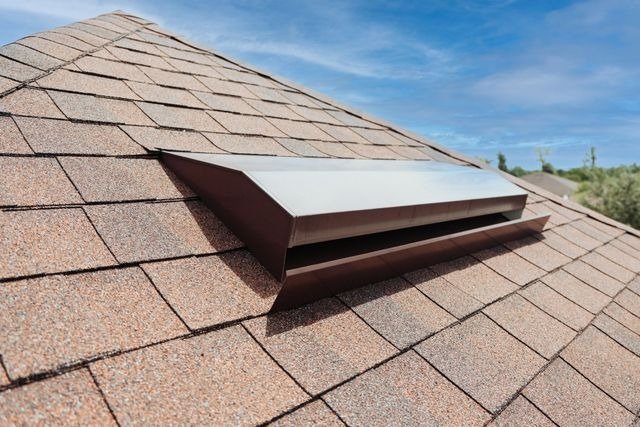
Installing the right ventilation system helps regulate your home’s internal temperature, saving energy and improving comfort. Roof vents like whirlybirds, ridge vents, or solar-powered fans can be fitted to almost any roof type, working quietly in the background to maintain balance.
Accord Air and Trusted Resellers Across Australia
Beyond comfort, good ventilation extends the lifespan of the entire roof structure. By controlling humidity and temperature fluctuations, it protects materials from warping and premature wear. For such an affordable upgrade, the long-term benefits of roof vents make them a smart addition to any home. Alpine and other brands sell their vents through resellers like bunnings, Mitre 10, Accord Air and TLC.
Choosing a quality ventilation product ensures reliable performance in Australia’s diverse climate conditions. From coastal humidity to inland heat, a properly selected roof vent system helps maintain consistent airflow and protects against environmental stress.
Professional Installation for Maximum Performance
Professional installation further enhances effectiveness by ensuring correct placement and balanced air intake and exhaust. When combined with adequate eave ventilation, roof vents create a continuous airflow cycle that maximises efficiency.
Conclusion
Ultimately, investing in roof ventilation is an investment in your home’s long-term value. With improved indoor comfort, reduced energy consumption, and greater protection against structural damage, roof vents provide peace of mind while quietly safeguarding your property year after year.